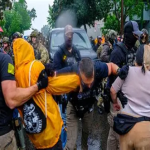


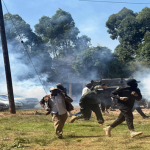







Kenya’s dark past includes a chapter many would rather forget, but forgetting is dangerous. It was the era when the clandestine sect Mungiki terrorized Kenyans, extorted matatu operators, enforced brutal oaths, and left a trail of mutilated bodies across the country. Entire neighborhoods lived in fear. Families buried loved ones quietly. The State itself descended into a shadow war, with extrajudicial killings, disappearances, and a moral collapse that still stains our national conscience.
At the center of that chapter was Maina Njenga, widely known as the sect’s leader. His name became synonymous with dread. Whether one views him as a cult figure, a criminal mastermind, or a symptom of deeper social failures, one thing is undeniable, Mungiki was not a liberation movement. It was a terror network that preyed on fear, poverty, superstition, and political patronage.
That is why recent attempts by some quarters to present this same figure as a unifying force for Mt Kenya should trouble every sober mind. A few days ago, the man some call “the chairman” was publicly posturing as a rallying point for the region, even being floated, subtly or overtly, as a kingpin of Mt Kenya politics. One must pause and ask, what kind of collective amnesia is this? Since when did a past soaked in blood become a qualification for moral leadership?
Unity is not built by laundering history. It is not forged by rebranding fear as culture, or violence as “grassroots mobilization.” Mt Kenya, like every region in Kenya, has elders, professionals, clergy, entrepreneurs, scholars, farmers, and youth leaders whose records are clean, whose hands are not stained with the suffering of wananchi. To leapfrog all of that and elevate a figure associated with terror is not unity, it is provocation.
Yes, Kenya must grapple honestly with its past, including the failures of the State that allowed Mungiki to grow, the poverty and exclusion that fertilized it, and the political elites who weaponized it when convenient. But reckoning is not the same as rehabilitation into power. Accountability precedes reconciliation. Truth precedes leadership.
Regions do not need “strongmen” with dark legends. They need credible voices with moral authority, economic vision, and respect for life. Mt Kenya does not need a kingpin, it needs conscience. Kenya does not move forward by recycling the ghosts of its worst years and calling them saviors.
History is patient. It waits. But it also remembers. And when societies forget who terrorized them, they risk inviting terror back, dressed in the language of unity.